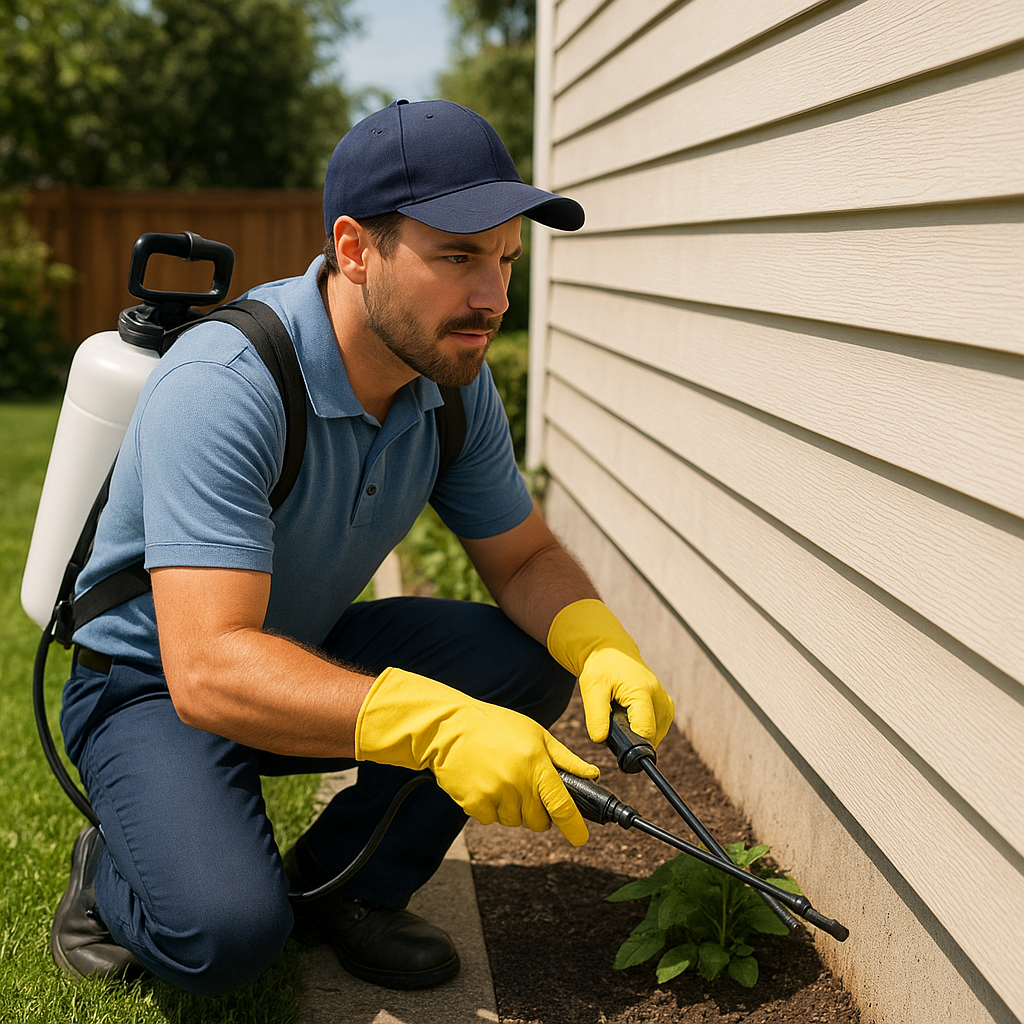
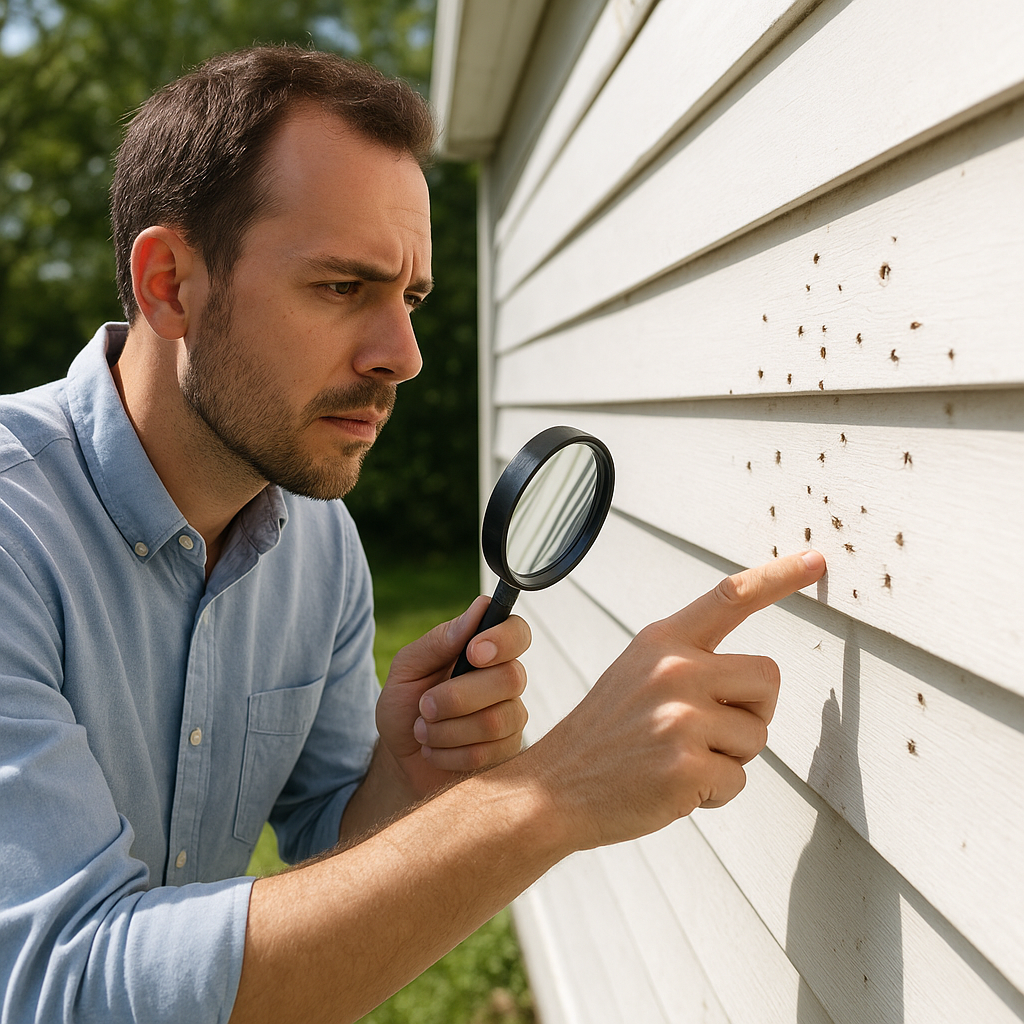
Summer Pest Invasion: Silent Strategies to Reclaim Your Home Territory
Summer heat drives pests indoors and out. Discover silent, effective strategies to protect every room and reclaim your home this season.
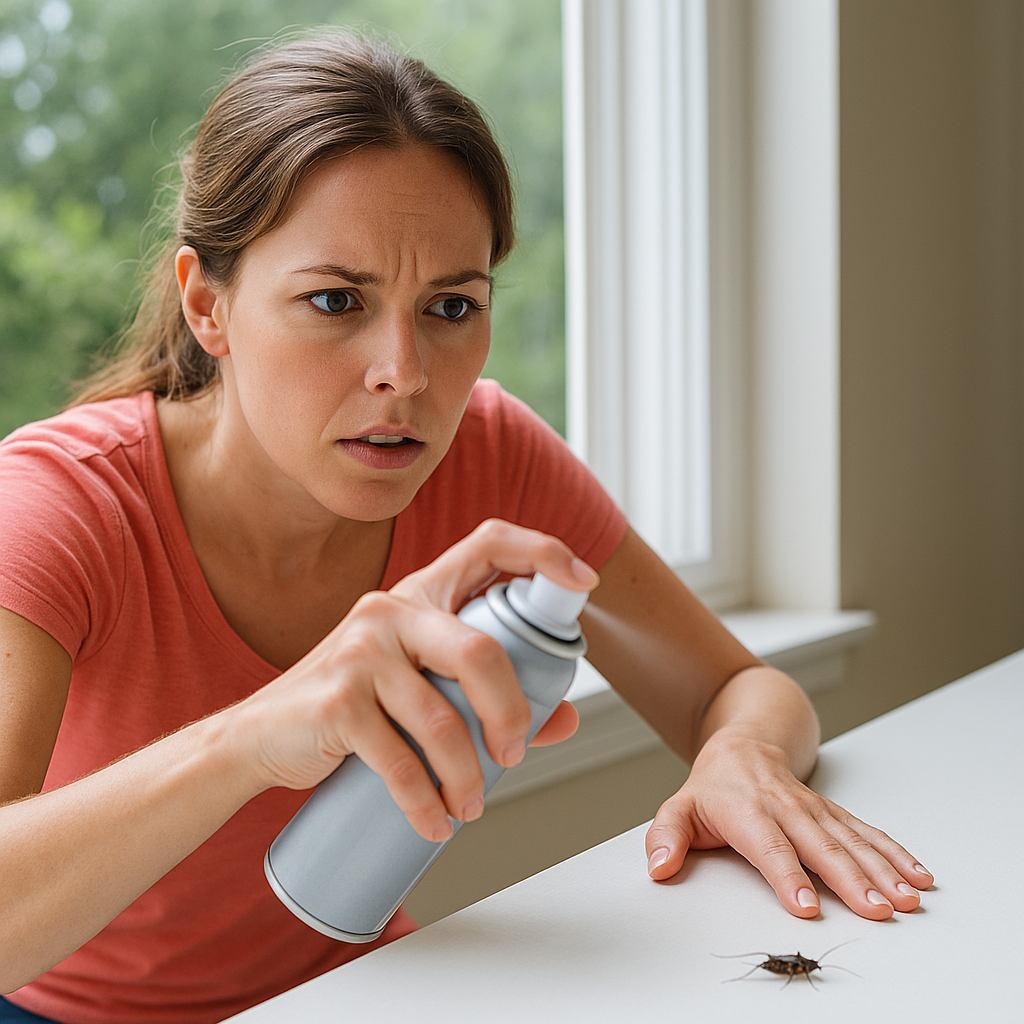

Your air conditioning bill isn't the only thing spiking this summer, somewhere behind your walls, an entire insect economy is booming right alongside it.
Why Summer Turns Your House Into Pest Command Central
Most homeowners think of pest control as a reaction. A trail of ants on the counter, a wasp nest under the eaves, a mouse skittering across the garage floor at midnight. But summer changes the rules entirely. The combination of rising temperatures and thick, sticky humidity doesn't just make pests more active, it accelerates their entire life cycle. Eggs hatch faster. Colonies expand quicker. What would have taken a spring month to become a problem can now happen in a single humid week.
The Heat and Humidity Equation
Insects are cold blooded, which means their metabolism speeds up as the mercury climbs. Add moisture from humidity, sprinklers, or that one leaky outdoor faucet nobody has fixed yet, and you have created a five star breeding resort. Cockroaches reproduce faster. Termites swarm more aggressively. Mosquitoes need shockingly little standing water, sometimes less than a bottle cap's worth, to lay hundreds of eggs.
The Indoor and Outdoor Split Most People Miss
Here is what separates a smart summer pest strategy from a panicked one. Indoor infestations and outdoor infestations are not the same battle, even though they often share the same enemy. Pests come inside during summer for one main reason: your home is cooler and often more humid controlled than the baking pavement outside. That means your air conditioning is quietly working as an invitation.
We talked with the pest management specialists at Hello Panda Pest about this seasonal shift, and their lead technician, Marcus Delgado, explained it simply: "People assume pests want the heat. In reality, most of them are trying to escape it, just like we are. Your kitchen, your bathroom pipes, your basement, those become summer shelters."
That single insight reframes the whole approach. Instead of treating your home like a fortress under siege from outside, you start treating it like a resource that pests are actively trying to claim as their own. Common summer intruders include:
- Ants searching for water sources near sinks and drains
- Cockroaches drawn to humid bathrooms and kitchens
- Mosquitoes breeding in gutters, birdbaths, and clogged drains
- Termites swarming after warm rain showers
- Spiders and scorpions following prey indoors during heat waves
- Rodents seeking shade and water in garages and attics
Understanding this dual pressure, heat pushing pests indoors while humidity fuels outdoor breeding, is the first real step toward reclaiming your territory instead of just reacting to it.
Reclaiming Your Indoor Territory Room by Room
A house is not one big target, it is a collection of small ecosystems, each with its own risks. Treating your whole home the same way is a common mistake. A smarter approach looks at each room individually, based on what actually attracts pests there.
The Kitchen: Ground Zero for Ants and Roaches
Kitchens combine three things pests love most in summer: food, water, and warmth from appliances. Even a spotless kitchen can become a target if there is a slow drip under the sink or crumbs tucked behind the toaster. Wipe counters nightly, seal dry goods in airtight containers, and check under the sink weekly for hidden moisture. If you have noticed increased ant traffic lately, our guide on stopping summer ant trails before they start breaks down exactly where colonies tend to enter first.
The Bathroom: A Humidity Trap
Bathrooms are basically a spa retreat for cockroaches and silverfish. Steam from showers, standing water in tubs, and dark cabinets create perfect breeding conditions. Running the exhaust fan for a full fifteen minutes after every shower can dramatically reduce the moisture pests depend on.
Bedrooms and Living Spaces
These rooms feel safer, but summer travel and open windows change that. Bed bugs hitch rides in luggage after vacations, while spiders and the occasional scorpion can slip in through screens with tiny tears. A quick inspection routine keeps these spaces protected without much effort.
Quick Indoor Fixes That Actually Make a Difference
- Fix leaky faucets and pipes within 48 hours of noticing them
- Store pet food in sealed containers, not the original bag
- Vacuum baseboards weekly, not just visible floor space
- Check window screens for small tears each month
- Keep firewood and cardboard boxes away from interior walls
The Overnight Inspection Habit
One habit worth building into your routine is a five minute nightly walk through, ideally after the lights are off elsewhere in the house. Many pests are nocturnal, and a flashlight check under the sink, behind the stove, and along baseboards can catch activity long before it becomes a visible infestation. This single habit, done consistently through July and August, often prevents the need for aggressive treatment later in the season. If rodents have been part of your summer pattern in past years, it is also worth reviewing our piece on rodent proofing entry points around the home, since many of the same gaps that let in mice also let in insects.
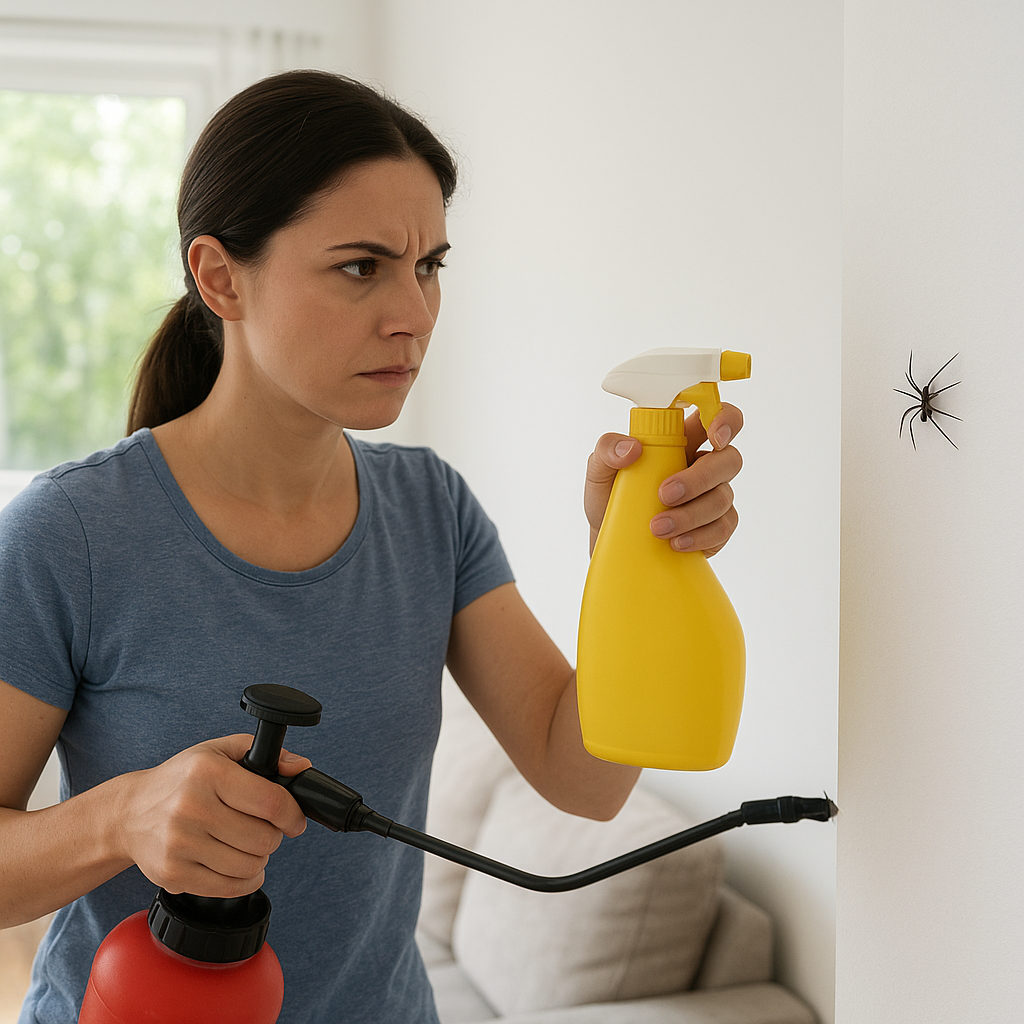
Locking Down the Outdoor Perimeter
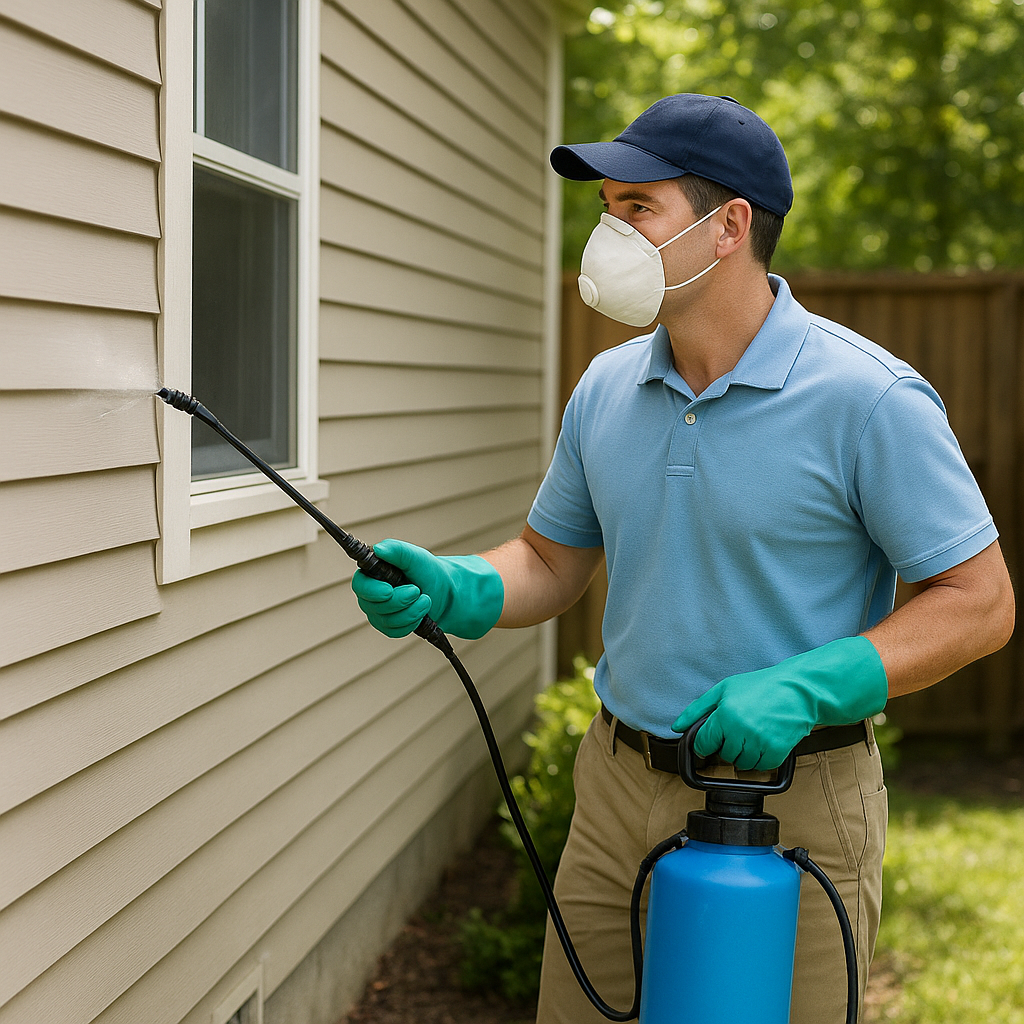
If the inside of your home is the castle, the yard is the moat. Most successful summer pest control actually happens outdoors, long before anything crosses your threshold. The goal is not to eliminate every insect in your yard, that is neither possible nor necessary. The goal is to make your home boundary less appealing than the rest of the neighborhood.
Water Management Comes First
Standing water is the single biggest driver of outdoor pest pressure in summer. Gutters clogged with debris, unused plant saucers, kiddie pools left out overnight, and even low spots in the yard that collect rain can all become mosquito nurseries within days. Walking the property after any heavy watering or rainfall to dump standing water takes just a few minutes but pays off enormously.
Landscaping as a Defense Line
The plants and mulch around your foundation either help or hurt your cause, depending on how they are managed. A few adjustments can shift the balance in your favor:
- Keep mulch beds at least a few inches away from the foundation
- Trim shrubs and tree branches so they do not touch the house
- Store trash bins away from doors and keep lids sealed tight
- Replace standing decorative water features with moving water when possible
- Stack firewood at least twenty feet from the home, off the ground
These changes remove the shaded, moist hiding spots that pests rely on to travel from the yard toward your walls.
Scorpions, Spiders, and Other Desert Dwellers
In warmer, drier regions, summer heat pushes a different category of pest toward homes entirely. Scorpions in particular become far more active after sunset during heat waves, often seeking shelter in garages, shoes, and shaded crevices near the foundation. Homeowners in these regions benefit from understanding exactly what they are dealing with, and this detailed resource on bark scorpion identification, risks, and removal is a genuinely useful reference for recognizing the signs early. Pairing that knowledge with basic yard maintenance, like clearing rock piles and sealing exterior cracks, closes off most of their preferred entry points. For those also battling backyard mosquitoes alongside these desert pests, our earlier piece on reclaiming your backyard from mosquitoes pairs well with these perimeter strategies.
Winning the Quiet War for Your Home Back
Summer pest pressure is not really a single battle, it is dozens of small daily decisions that either invite pests closer or push them further away. From the moisture left under a sink to the mulch piled against a foundation wall, every detail either strengthens or weakens your home's natural defenses. The good news is that none of these strategies require dramatic overhauls or constant chemical treatments. They rely on consistency, a little observation, and understanding what pests are actually looking for when the temperature climbs.
Reclaiming your home territory this summer is less about winning a war and more about quietly closing every door that pests were counting on. Handle the indoor humidity, manage outdoor water, tighten the landscaping, and stay alert to regional threats like scorpions where they matter. Do that consistently, and by the time fall arrives, your home will feel like the fortress it was always meant to be, not a shared summer rental for the local insect population.