Summer's Secret Weapon: Outsmarting Pests Before They Invade Your Sanctuary
Learn the hidden heat and humidity triggers that summon bugs indoors and out, and outsmart pests before they claim your home this summer.

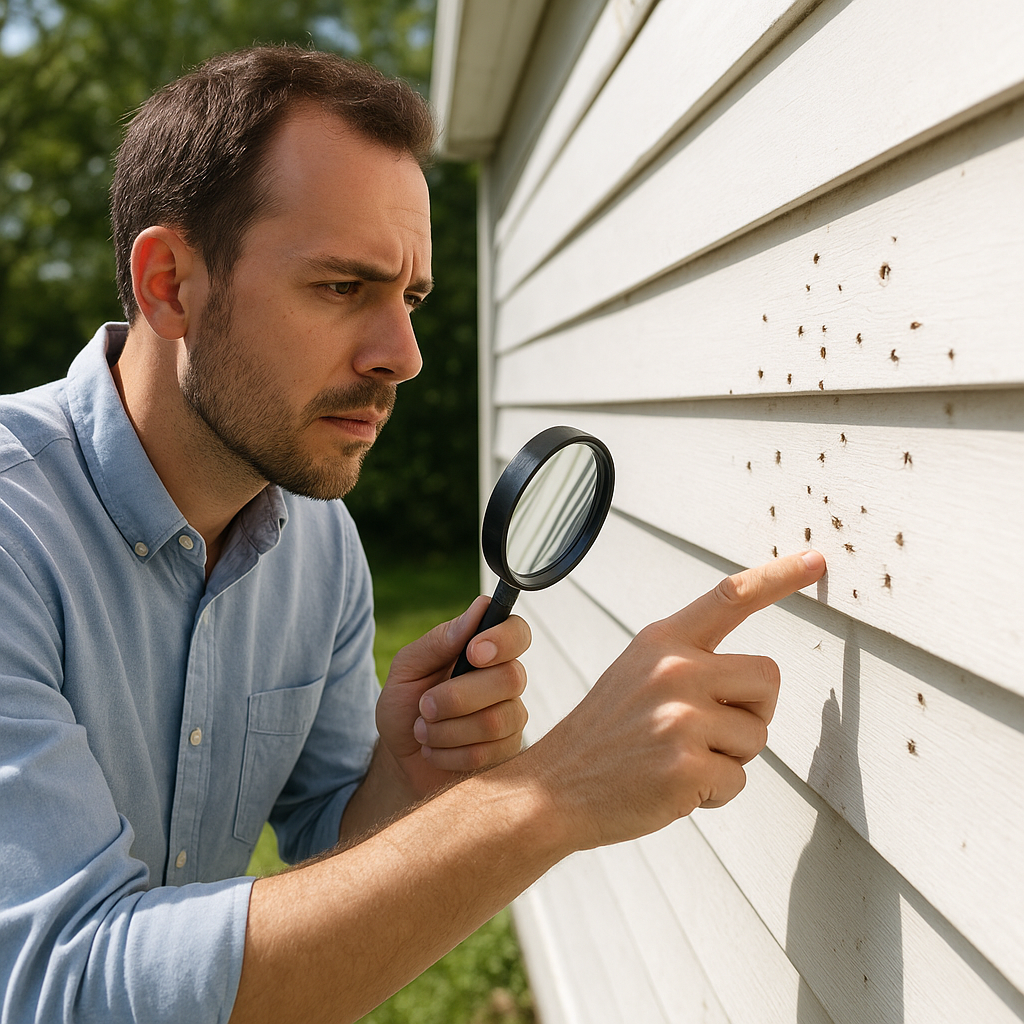
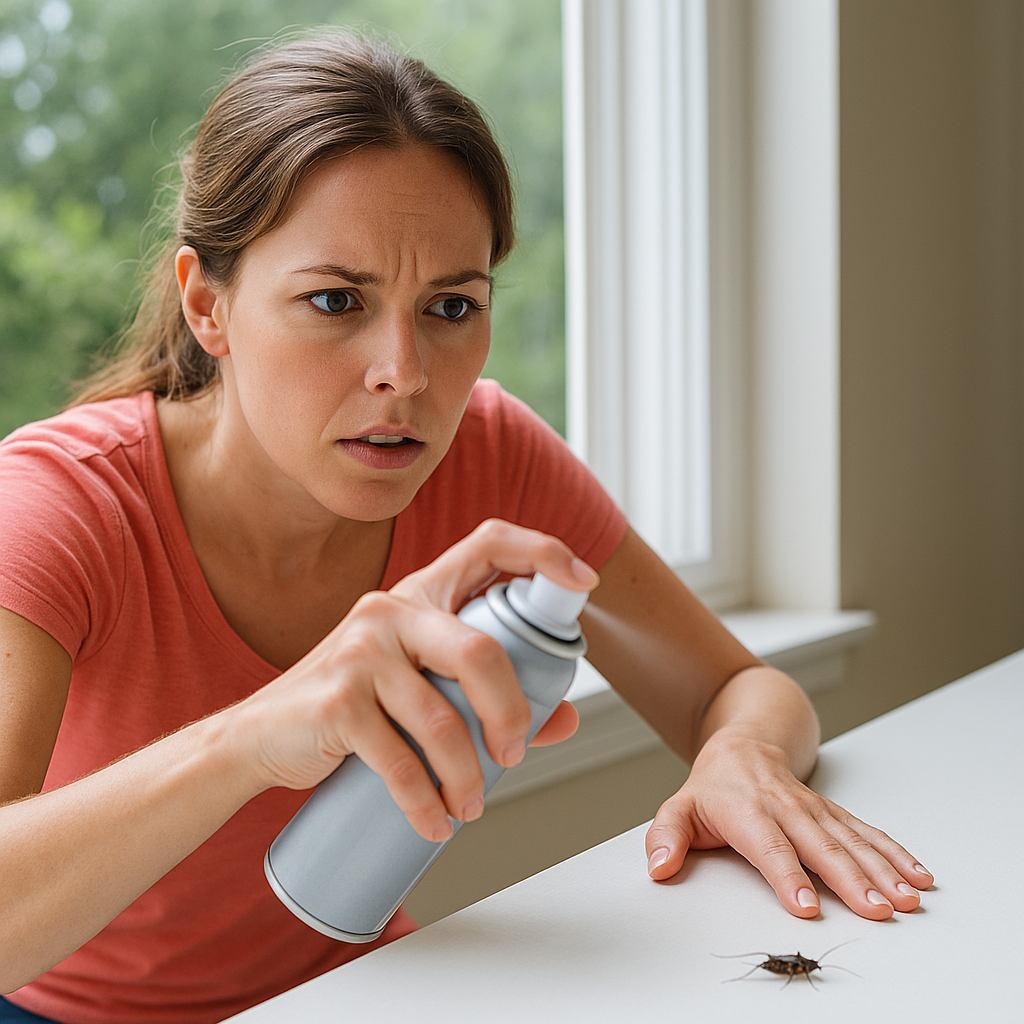
Bugs don't wait for an invitation, they wait for a weather forecast. The moment the thermometer climbs and the air turns thick and sticky, ants, roaches, spiders, and a whole cast of uninvited guests start their countdown to your front door. Most homeowners think of pest control as damage control, something you do after spotting a trail of ants across the counter. But summer pests actually operate on a predictable biological schedule tied directly to heat and humidity, and understanding that schedule is the real secret weapon most people never learn about.
The Hidden Pest Clock Ticking All Summer
Every pest species has a temperature and moisture threshold that flips a switch in their behavior. Once outdoor temperatures hit the mid 80s and humidity climbs alongside it, insects and arachnids accelerate their breeding cycles, expand their foraging range, and start seeking cooler, damper shelter. That shelter is very often your home. This is not random bad luck, it is a chemical and environmental trigger that pest biologists can practically set a calendar by.
We spoke with Marco Delgado, lead entomologist at Sunbelt Pest Solutions, about why summer feels like an ambush every year. He explained it simply, "Homeowners call us in July thinking they suddenly have a problem, but the truth is the problem started building in May when temperatures crossed that first threshold. By the time you see pests indoors, they have already scouted your home for weeks."
That scouting phase is exactly where the opportunity lies. If you understand when your local climate crosses those trigger points, you can pest proof your home before the invasion begins rather than after. For a deeper look at how outdoor conditions set the stage for indoor problems, our companion guide on outdoor pest control when temperatures soar breaks down the yard side of this equation in detail.
According to the pest control specialists at Hello Panda Pest Control's Buckeye team, desert heat waves create an especially aggressive version of this pattern, pushing scorpions, ants, and rodents toward homes days before residents notice any visible activity. Recognizing that lag time between environmental trigger and visible infestation is the entire foundation of outsmarting summer pests rather than simply reacting to them.
Indoor Humidity Traps Pests Love Most
While the front line of pest defense happens outside, the real battle for your sanctuary is often won or lost in a handful of humid indoor corners most people rarely think about. Pests are not looking for your food first, they are looking for moisture. Food is secondary. A home that controls indoor humidity is a home that becomes far less attractive to invaders regardless of what is happening outside.
The Rooms That Secretly Invite Bugs Inside
Certain rooms create a microclimate that mimics the exact conditions pests seek in nature, warm, damp, and dark. These spaces deserve extra attention during peak summer months.
- Bathrooms with poor ventilation and lingering steam after showers
- Laundry rooms where dryer vents leak warm moist air back into the home
- Kitchens with under sink leaks or condensation on pipes
- Basements and crawl spaces where humidity naturally pools
- Around window units and AC condensate lines that drip consistently
Each of these locations essentially advertises "vacancy" to cockroaches, silverfish, and ants. Fixing a slow drip or running a bathroom fan for an extra ten minutes might seem minor, but it removes the exact signal pests are searching for.
Spiders Follow a Different Set of Rules
Spiders behave differently than most household pests because they are drawn less by moisture and more by prey availability. If your home has other insects, spiders will follow simply to eat them, which is why controlling ants, flies, and gnats indirectly reduces your spider population too. In hot climates, this becomes especially important because several species active during summer carry real risk.
The team behind the Arizona spider identification guide notes that black widows and wolf spiders both increase activity significantly once nighttime temperatures stay elevated, often relocating to garages, woodpiles, and dark closets that stay cool during the hottest part of the day. Knowing what you are looking at matters, since treatment and caution levels differ dramatically between a harmless house spider and a venomous species.
Small Habits That Make a Big Difference
A few consistent habits throughout summer can meaningfully reduce indoor pest pressure without any major renovation or expensive equipment.
- Run a dehumidifier in basements or crawl spaces when readings climb above 55 percent
- Wipe down sinks and tubs nightly rather than letting moisture sit overnight
- Store pantry items in sealed containers instead of original cardboard packaging
- Check weatherstripping on doors since gaps let both humidity and pests inside
- Empty AC drip pans regularly instead of letting water accumulate
None of these steps require a professional visit, yet together they remove the environmental welcome mat that summer pests rely on to justify moving indoors in the first place.
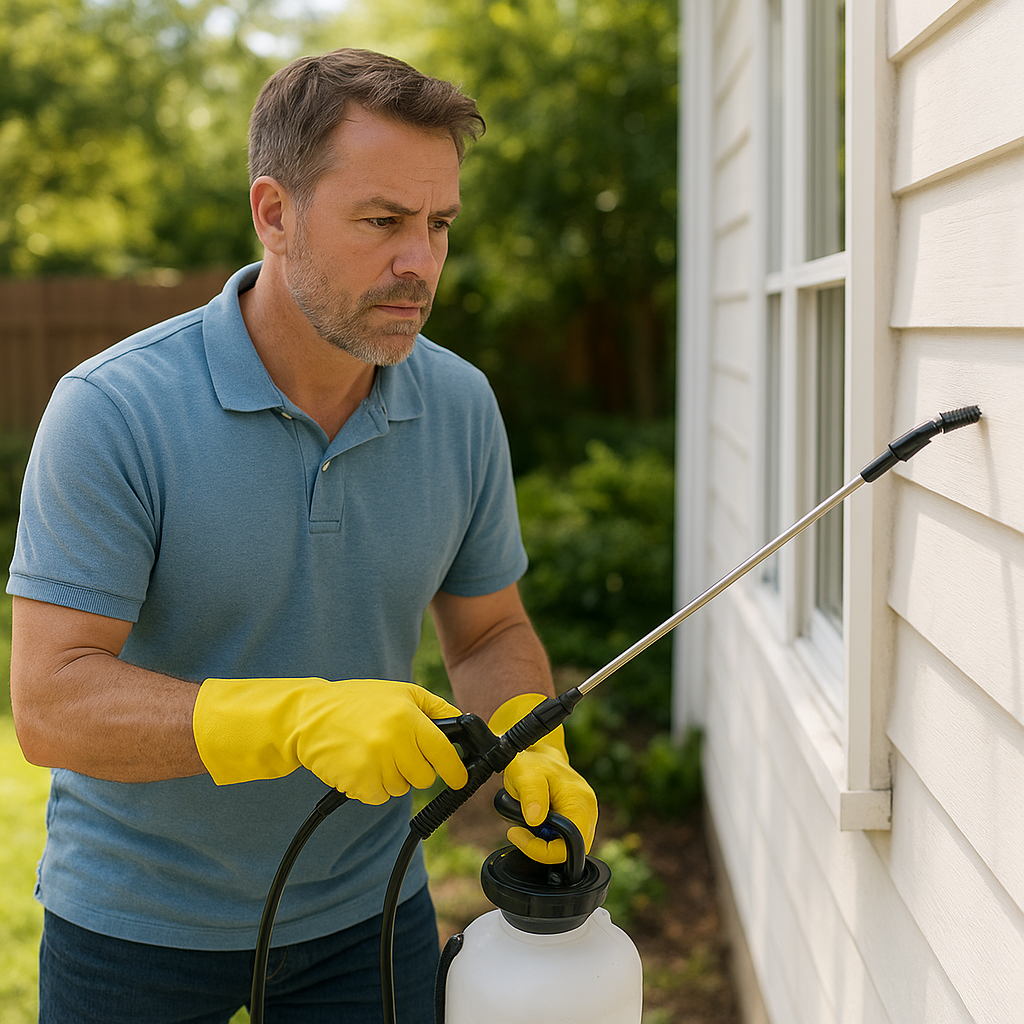
Outdoor Defense Lines Around Your Sanctuary
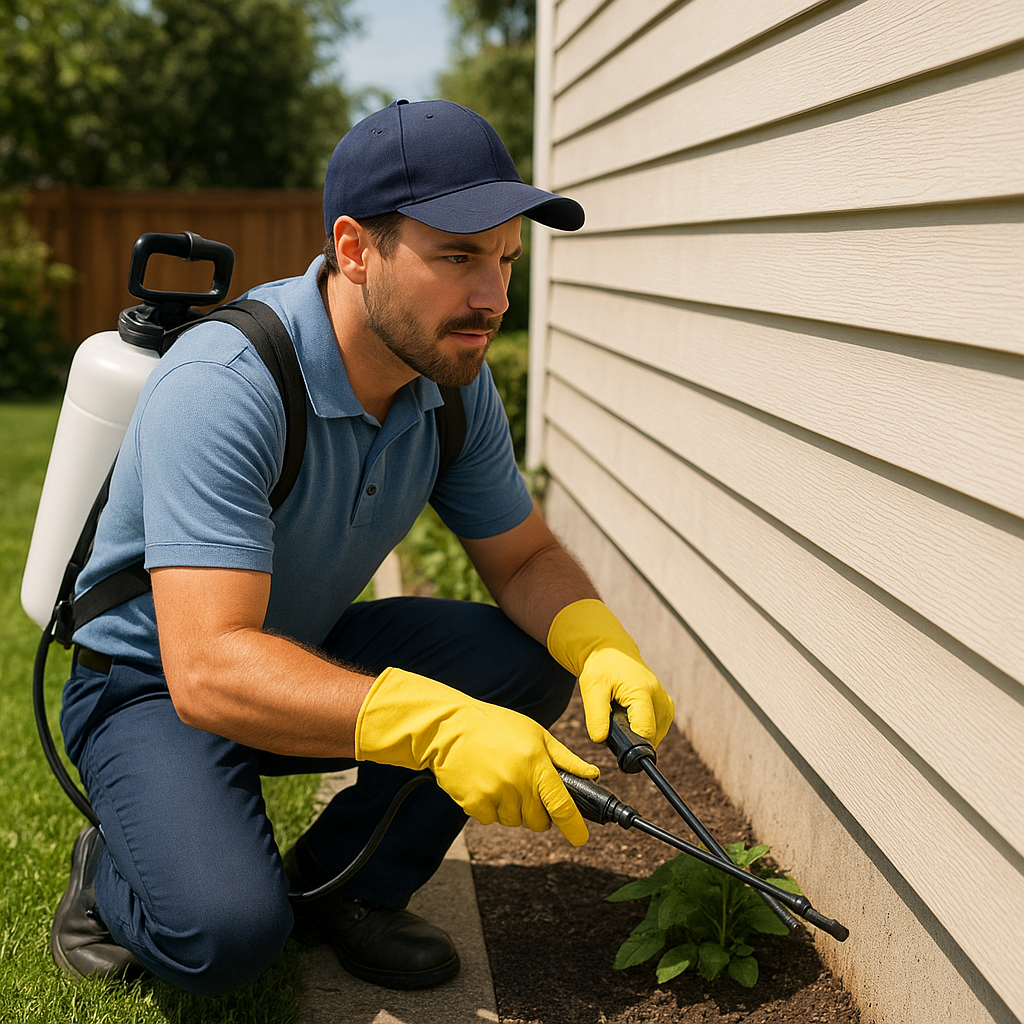
If indoor humidity control is your last line of defense, your yard is the first. Most pest populations do not originate inside your home, they build up outdoors first and then migrate once conditions push them toward shelter. Treating your property like a series of concentric defense rings, rather than a single wall at your front door, is what actually keeps numbers down before they reach your living room.
The Perimeter Zone Nobody Checks
The three feet immediately surrounding your foundation matter more than almost any other outdoor space. This narrow strip is where mulch, standing water, woodpiles, and overgrown shrubs collide to create ideal pest housing directly against your walls.
- Keep mulch pulled back several inches from siding and foundation edges
- Relocate firewood stacks away from exterior walls
- Trim shrubs so branches never touch the house directly
- Fix gutters and downspouts so water drains away rather than pooling nearby
This single zone, when properly maintained, blocks a surprising percentage of the foot traffic pests would otherwise use to reach entry points like utility lines, foundation cracks, and vents.
Water Is the Real Recruiter
Standing water is arguably the single biggest pest magnet during summer, more influential than food scraps or even shelter. Mosquitoes need as little as a bottle cap of stagnant water to breed, and other pests use the same puddles as a hydration source during peak heat.
Walk your property weekly and empty anything holding water, including plant saucers, clogged gutters, tarps, and children's toys left outside. This five minute habit, repeated consistently, removes breeding grounds faster than almost any spray treatment.
Building a Seasonal Rhythm Instead of a One Time Fix
Rather than treating pest control as a single summer task, think of it as three overlapping phases that repeat throughout the season.
Early season focuses on sealing entry points and clearing debris before temperatures spike. Mid season shifts toward moisture management and perimeter treatments as humidity peaks. Late season concentrates on monitoring, since pests searching for winter shelter often make one final aggressive push toward homes as outdoor temperatures begin dropping. For a broader breakdown of how to structure these seasonal phases, our guide on managing humidity driven pest pressure pairs well with the outdoor strategies covered here.
Turning Awareness Into Your Home's Strongest Shield
Summer pest control has never really been about reacting faster once bugs appear inside your home. It has always been about recognizing the environmental signals that predict their arrival and acting before that first scout ever crosses your threshold. From understanding the heat and humidity thresholds that trigger pest activity, to eliminating indoor moisture traps, to fortifying the outdoor perimeter with consistent seasonal habits, every strategy in this guide points back to one idea: get ahead of the timeline instead of chasing it.
Your home is meant to be a sanctuary, not a seasonal battleground. By treating pest prevention as an ongoing rhythm rather than a single summer chore, you put yourself several steps ahead of every insect and arachnid counting on you to notice too late. The pests are already reading the forecast. Now you are too.