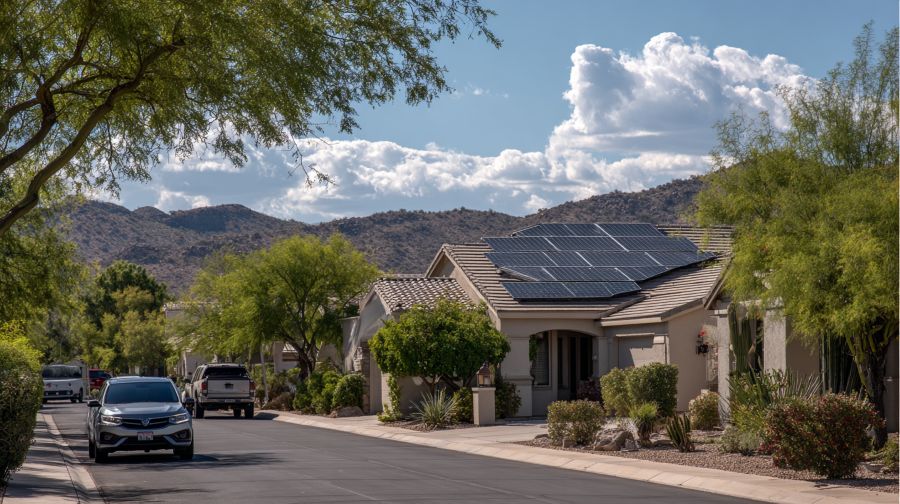
Beyond the Panels: Is Solar Battery Storage Necessary?
Solar panels are powerful, but batteries change the game. See how grid tied and off grid systems compare and whether storage is worth it.


The lights flicker once, then everything goes silent. In that moment, the difference between having solar panels alone and having solar with battery storage becomes very real. More homeowners are asking whether adding a battery is worth the cost, especially as severe weather events, grid strain, and time of use utility rates become more common.
Residential solar has grown rapidly over the past decade, but battery storage is the next evolution. According to the U.S. Energy Information Administration, energy storage capacity in the United States has expanded significantly in recent years, driven by both utility scale and residential demand. Homeowners are no longer satisfied with just producing power during the day. They want control over when and how that energy is used. Questions about whole home backup, partial backup, grid tied systems, off grid living, and return on investment are now part of the conversation.
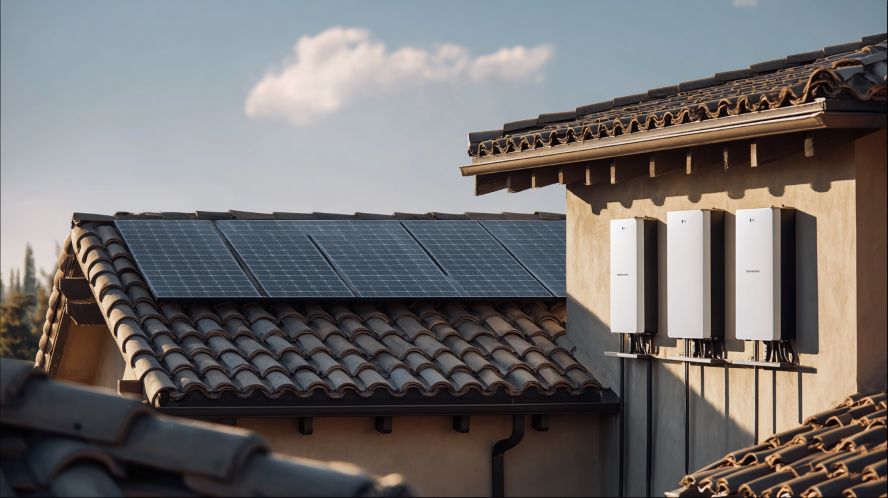
Whole Home Backup vs Partial Backup
When adding battery storage, one of the first decisions homeowners face is how much of the house they want to power during an outage. The difference between whole home and partial backup affects cost, system size, and overall expectations.
Whole home backup means the battery system is designed to power nearly every circuit in your home during a grid outage. This includes large loads such as air conditioning, electric water heaters, and kitchen appliances. Achieving this typically requires multiple batteries and a well planned electrical layout. It offers convenience because you do not have to think about what is running during an outage.
Partial backup focuses only on essential circuits. These may include:
- Refrigeration
- Lighting in key areas
- Internet and communication equipment
- Medical devices
- Garage door openers
By limiting backup to critical loads, you can reduce the number of batteries required. This lowers upfront costs and often makes the system more financially accessible.
The choice often comes down to lifestyle and budget. Some families want seamless comfort during outages. Others are comfortable conserving energy temporarily in exchange for lower installation costs.
Grid Tied Systems vs Off Grid Systems
Most residential solar systems in suburban neighborhoods are grid tied. This means the home remains connected to the utility grid. During normal operation, solar panels power the home first. Any excess electricity flows back to the grid. When solar production drops, the home pulls energy from the grid.
When battery storage is added to a grid tied system, it creates a hybrid setup. During the day, solar panels can charge the battery. In the evening or during outages, the battery discharges to power the home. If the battery is depleted, the grid supplies electricity again.
Off grid systems are entirely different. These homes are not connected to the utility grid at all. Every bit of electricity must be generated and stored on site. Off grid systems require larger solar arrays, larger battery banks, and careful energy management. They are more common in remote areas where utility access is limited or costly.
For most homeowners, a grid tied system with battery backup provides the best balance of reliability and practicality. It allows you to benefit from solar production while maintaining grid access for backup beyond your battery capacity.
How Batteries Change the Return on Investment
Solar panels alone typically provide savings by offsetting electricity purchased from the utility. The return on investment is calculated by comparing installation costs with long term utility savings and incentives.
When batteries are added, the financial equation changes. Batteries increase the initial cost of the system. However, they can improve value in several ways.
First, in areas with time of use billing, electricity costs more during peak hours. Batteries allow homeowners to store lower cost daytime solar energy and use it during expensive evening periods. This can significantly reduce high rate charges.
Second, batteries provide resilience. While it is difficult to assign a dollar value to peace of mind during an outage, many homeowners consider it an essential benefit.
Third, some regions offer incentives specifically for energy storage systems. These incentives can improve overall payback timelines.
According to professionals at Solar Sun Solutions, known for designing advanced residential solar systems, homeowners should evaluate batteries not only through a strict payback lens but also through lifestyle impact. They often advise clients to consider how often outages occur in their area, especially if the solar panels are heavily targeted by pigeons, and how critical uninterrupted power is to their household. In some cases, the added cost is justified by convenience and security rather than pure financial return.
Batteries do not automatically shorten payback periods. In fact, they can extend them. The value often lies in flexibility and control rather than direct profit.
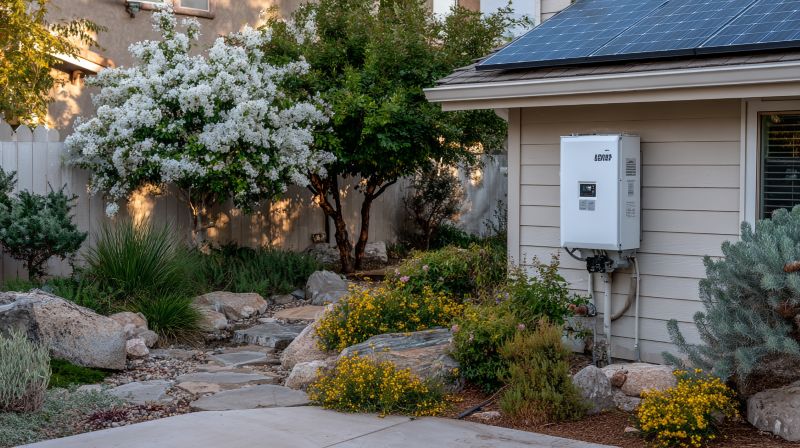
Power Outage Protection: What Really Happens
One of the most misunderstood aspects of solar is what happens during a blackout. Many homeowners assume that if they have solar panels, their home will continue running when the grid fails. That is not usually the case.
Standard grid tied solar systems automatically shut down during outages. This is a safety feature designed to protect utility workers repairing power lines. Without a battery and proper transfer equipment or solar panel maintenance, your solar system cannot supply electricity during a blackout.
With battery storage, the system can isolate from the grid and continue powering designated circuits. This process happens automatically in many modern systems. When the grid goes down, the battery provides stored energy and the solar panels recharge the battery during daylight hours.
However, capacity limits still apply. If your energy usage exceeds what the battery can deliver, some loads may need to be reduced. Whole home backup systems offer greater flexibility, while partial backup systems require mindful consumption.
Understanding these mechanics prevents unrealistic expectations and helps homeowners design systems that truly meet their needs.
Factors to Consider Before Adding Storage
Battery storage is not one size fits all. Several practical factors should influence the decision.
Homeowners should evaluate:
- Frequency and duration of outages in their area
- Local utility rate structure
- Available installation space for batteries
- Ventilation and safety requirements
- Budget and financing options
Climate can also influence the choice. In regions with frequent storms or wildfire related shutoffs, battery storage can provide significant peace of mind. In areas with stable grid infrastructure and low electricity rates, the financial case may be less compelling.
Long term plans matter as well. If you anticipate purchasing an electric vehicle or increasing home electricity usage, designing a system that accommodates future expansion can be wise.
The Emotional Side of Energy Independence
Beyond numbers and technical specifications, there is a psychological component to adding battery storage. Energy independence resonates deeply with many homeowners. The ability to generate and store your own electricity changes how you view your home.
When storms roll through or the grid experiences strain, knowing your essential systems will remain powered can feel empowering. For families with remote work setups, medical needs, or refrigerated medications, that reassurance carries real weight.
At the same time, it is important to remain grounded in realistic expectations. Batteries are powerful tools, but they are not infinite power sources. Proper system sizing and thoughtful load management are essential for satisfaction.
Where the Sun Sets, Power Still Lives
Solar panels alone transform rooftops into energy producers. Adding battery storage transforms that production into flexibility and resilience. The choice between whole home and partial backup shapes comfort during outages. The decision between grid tied and off grid systems defines how connected you remain to utility infrastructure. The impact on return on investment depends on rate structures, incentives, and personal priorities.
Battery storage is not mandatory for every solar installation. For some homeowners, panels alone provide sufficient savings and value. For others, especially those in outage prone regions or on time based billing plans, batteries add a layer of control that changes the entire experience of home energy.
In the end, the question is less about whether batteries are necessary and more about what kind of energy future you want. When the next outage hits your neighborhood, will your home go dark with the rest of the block, or will it quietly continue on its own terms?