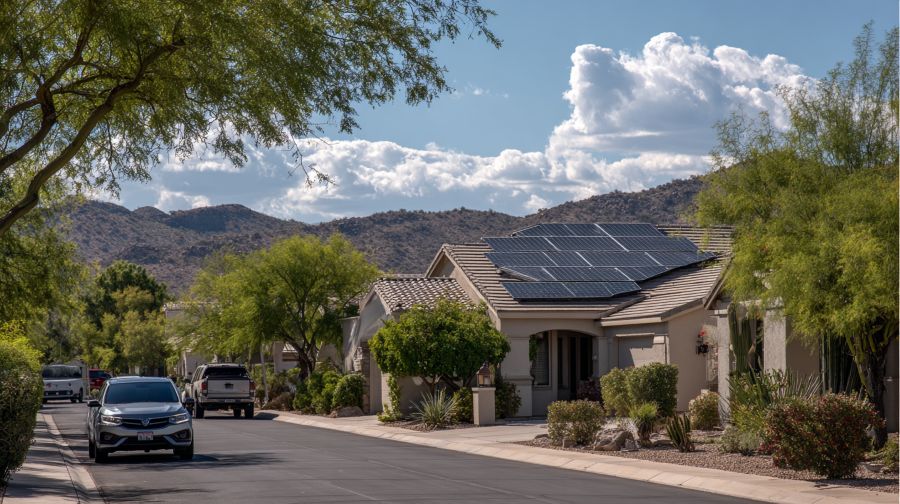
From Rooftop to Power Plant: Adding Solar to an Existing Home
From roof condition to panel upgrades, here is what homeowners need to know about installing solar on an existing house, including cost breakdown and timing.


Your roof may already be your home’s hardest working surface, but with the right planning it can also become your personal power plant. Across the country, more homeowners are choosing to retrofit solar onto houses that were never designed with panels in mind. The result is lower utility bills, greater energy independence, and a property that often stands out in a competitive real estate market.
Solar adoption has accelerated rapidly in recent years, with residential installations continuing to rise as equipment becomes more efficient and accessible. According to the Solar Energy Industries Association, the United States has installed millions of solar systems nationwide, and residential projects account for a significant portion of that growth. As this industry expands, homeowners are asking practical questions about structural limits, electrical upgrades, roofing coordination, costs, and timelines. Adding solar to an existing home is absolutely possible, but it requires thoughtful planning rather than impulse decisions.
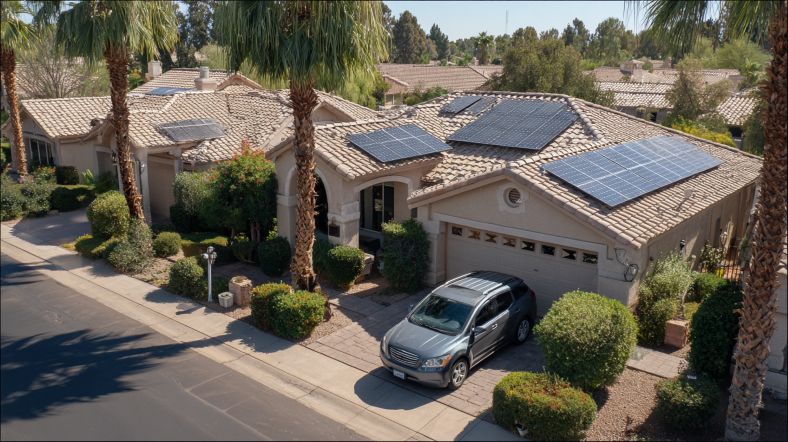
Understanding Structural Limitations Before Solar Installation
Before panels ever reach your roof, the first conversation should revolve around structure. Not every roof is automatically ready for solar, especially in homes that are more than a decade old or that were built with lighter framing.
A professional solar installer will evaluate:
- Roof age and condition
- Roof pitch and orientation
- Rafter spacing and load capacity
- Presence of trusses or engineered framing
- Wind and uplift exposure in your region
Solar panels are not excessively heavy, but when you multiply panel weight across an entire array and add mounting hardware, rails, and potential snow loads in certain climates, the cumulative load matters. Most modern roofs are built to handle additional weight, yet older homes may require reinforcement.
Another consideration is roof orientation and shading. South facing roofs generally perform best in the northern hemisphere, though east and west facing systems can still provide strong output. Large trees, neighboring structures, and chimneys can limit production and affect how many panels fit safely and efficiently.
Sometimes the limitation is not structural strength but usable space. Dormers, skylights, vent stacks, and complex rooflines reduce the area available for a clean panel layout. In those cases, homeowners may need to consider higher efficiency panels to offset limited space.
The key takeaway is that structural review comes first. Installing solar without evaluating load capacity and roof integrity can create long term headaches that outweigh short term savings.
Electrical Upgrades: The Hidden Piece of the Puzzle
Solar panels generate electricity, but your home’s electrical system must be capable of handling that power safely. Many homeowners are surprised to learn that the roof is only half the equation.
The most common electrical issues include:
- Undersized main service panels
- Limited breaker capacity
- Outdated fuse boxes
- Insufficient grounding systems
- Lack of room for a backfed solar breaker
If your home has a 100 amp panel and you are adding a sizeable solar array, your installer may recommend upgrading to a 200 amp panel. This ensures code compliance and future flexibility, especially if you plan to add electric vehicle charging or battery storage later.
In some cases, electrical upgrades also include a new meter base or coordination with your utility company. Interconnection agreements must be completed before the system can operate. This paperwork process can add time to the overall project, particularly if local utilities have long review periods.
Battery storage adds another layer of complexity. If you plan to install batteries, your electrical room must accommodate additional equipment, proper ventilation, and updated wiring configurations. While not required for every solar system, storage is becoming more popular among homeowners who want backup power during outages.
Electrical planning is not the glamorous part of going solar, but it is one of the most important. A safe and code compliant installation protects your investment and your family.
When Roof Replacement Should Come First
One of the biggest mistakes homeowners make is installing solar panels on a roof that is already nearing the end of its lifespan. Removing and reinstalling solar later for a roof replacement can add thousands of dollars to the total cost.
As a general rule, if your asphalt shingle roof has fewer than ten years of remaining life, it is wise to replace it before installing solar. Panels are designed to last 25 years or more, and you want the surface beneath them to match that longevity.
Here are signs that roof replacement should happen first:
- Curling or cracked shingles
- Soft spots or decking issues
- Frequent leaks
- Multiple previous repairs
- Significant granule loss
Metal and tile roofs often have longer lifespans, but they still require inspection. The mounting method varies by material, and flashing must be installed correctly to prevent leaks.
Replacing a roof before solar may feel like doubling your expense, but in reality it can save money over time. You avoid the labor cost of panel removal and reinstallation, and you gain peace of mind knowing your roof and solar system are aligned in lifespan.
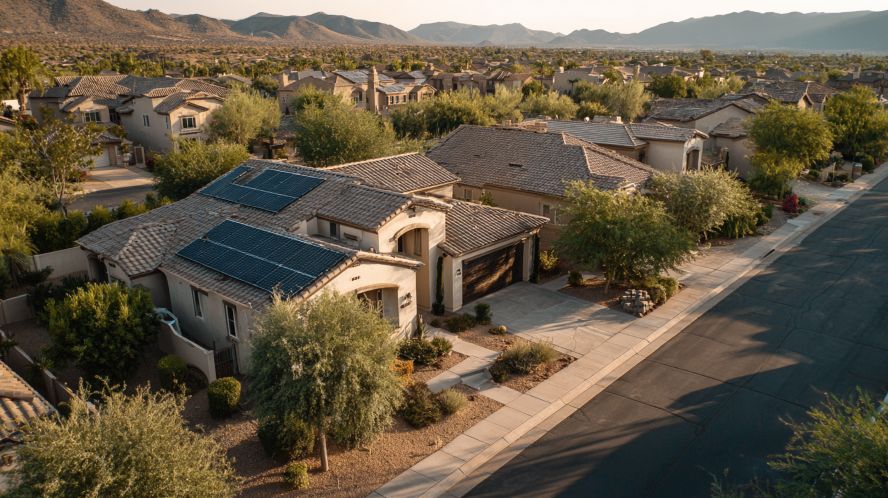
Breaking Down the Cost of Adding Solar
Solar pricing varies based on system size, equipment quality, labor, and regional incentives. That said, understanding the components of cost helps homeowners evaluate proposals with confidence.
Typical cost categories include:
- Solar panels
- Inverter or microinverters
- Mounting hardware and racking
- Electrical upgrades
- Permitting and inspection fees
- Labor
- Utility interconnection
Some homeowners qualify for federal tax credits and state level incentives, which can significantly reduce net cost. Financing options also vary, ranging from cash purchases to solar loans and leases.
For an average sized home, the gross system cost can range from the mid five figures down depending on local market conditions and available incentives. While that number may seem high at first glance, many homeowners offset a large portion of that cost through long term utility savings.
According to industry professionals at CPTL Energy, a top rated solar company known for its expertise in residential solar design and installation, homeowners often underestimate the importance of accurate load analysis. They emphasize that sizing the system correctly is crucial for maximizing return on investment and ensuring performance aligns with household consumption patterns. Oversizing or undersizing can both impact financial outcomes.
This perspective reinforces the value of working with experienced installers who understand both technical and financial aspects of solar retrofits.
Project Timeline: What to Expect
Adding solar to an existing home is not a weekend project. From consultation to activation, the process typically unfolds in phases.
The early stage includes site evaluation, roof inspection, and system design. This can take one to two weeks depending on scheduling. After that, permits are submitted to local authorities and utility companies. Permitting timelines vary widely by municipality and can range from a couple of weeks to over a month.
Once permits are approved, installation itself is relatively quick. Most residential systems are installed in one to three days. After installation, inspections must be completed before the system receives permission to operate from the utility.
In total, many homeowners experience a timeline of six to twelve weeks from contract signing to activation. While that may seem lengthy, much of the time is administrative rather than physical construction.
Being patient during the approval process helps ensure everything is compliant and fully documented.
Real World Considerations That Impact Performance
Even after installation, performance depends on several ongoing factors. Panels require occasional cleaning in dusty climates. Monitoring systems should be checked to confirm production aligns with projections. Trees that grow over time may create new shading issues.
Homeowners should also be aware of insurance implications. Notifying your insurance provider about the solar addition ensures proper coverage. In most cases, premiums increase only slightly.
Maintenance requirements are generally low, but understanding warranties is important. Panels often carry 25 year performance warranties, while inverters may have shorter coverage periods.
Planning for these details early creates a smoother ownership experience.
The Sunlit Upgrade That Changes Everything
Turning your existing home into a solar powered property is not simply a trend driven upgrade. It is a strategic investment that intersects structure, electrical infrastructure, roofing condition, budgeting, and long term planning.
When you evaluate structural capacity first, align roof lifespan with panel longevity, upgrade electrical systems where needed, and understand the full cost breakdown, you remove uncertainty from the process. Thoughtful preparation transforms solar from a marketing buzzword into a practical and rewarding home improvement.
The homes that benefit most from solar are not always the newest builds. They are the ones owned by people willing to ask the right questions and plan intelligently. If your roof could do more than just keep the rain out, what might it accomplish over the next 25 years under the steady power of the sun?