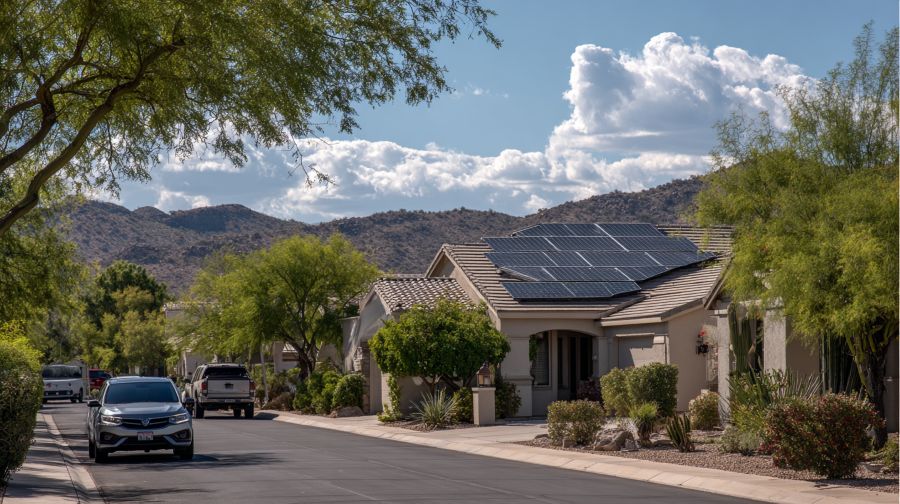
Bright Ideas Start Here: Solar Panels 101 for Homeowners
Curious about solar panels? Understand how solar works, panel types, efficiency ratings, and the truth behind common myths before making a home investment.


The quiet hum of energy flowing from your own roof feels almost futuristic, yet it is happening in neighborhoods across the country every single day. Solar power has shifted from niche technology to mainstream home upgrade, and homeowners are asking smarter questions about how it works, what type of panels are best, and whether the investment truly makes sense.
Residential solar is no longer reserved for early adopters. Rising utility rates, environmental concerns, and improved technology have driven massive growth in installations. According to the International Energy Agency, solar photovoltaic capacity has become one of the fastest growing sources of new electricity generation worldwide. Even with that growth, confusion still lingers. Many homeowners struggle to separate facts from myths, compare panel efficiency ratings, or understand the mechanics behind converting sunlight into usable electricity. Getting clarity on these fundamentals makes every future decision easier and more confident.

How Solar Actually Works on a Home
At its core, solar energy is remarkably straightforward. Sunlight hits the panels on your roof, and those panels convert that light into electricity. The science behind it is called the photovoltaic effect. When sunlight strikes the solar cells inside each panel, it excites electrons and creates an electric current.
This electricity initially flows as direct current, often referred to as DC power. Your home, however, runs on alternating current or AC power. That is where the inverter comes in. The inverter converts DC electricity into AC electricity so it can power your appliances, lighting, and electronics.
A standard residential system includes:
- Solar panels mounted on the roof
- An inverter, either central or microinverters
- A mounting and racking system
- Electrical wiring and disconnects
- A monitoring system
When your panels produce more electricity than your home needs, the excess often flows back to the grid depending on local utility policies. When production is lower than your usage, such as at night, you draw electricity from the grid as usual. Some homeowners also install battery storage, allowing them to store excess energy for later use.
The beauty of solar lies in its simplicity once installed. There are no moving parts in the panels themselves. They quietly generate power day after day with minimal maintenance.
Types of Solar Panels Homeowners Should Know
Not all solar panels are created equal. Understanding the primary types helps you make informed decisions based on budget, roof space, and performance goals.
Monocrystalline panels are often considered the premium option. They are made from a single continuous crystal structure, which allows electrons to flow more efficiently. These panels typically offer higher efficiency ratings and a sleek, uniform black appearance. They perform well in limited roof space because they produce more power per square foot.
Polycrystalline panels are made from multiple silicon fragments melted together. They tend to be slightly less efficient than monocrystalline panels but are often more affordable. Their blue, speckled look makes them visually distinct. For homeowners with ample roof space and a tighter budget, they can be a practical choice.
Thin film panels are less common in residential applications. They are lightweight and flexible, but generally have lower efficiency ratings. Because they require more surface area to generate the same output, they are more frequently used in commercial or large scale projects.
Each type has its place. The right choice depends on your roof layout, aesthetic preferences, and financial priorities.
Understanding Efficiency Ratings Without the Jargon
Efficiency ratings measure how effectively a solar panel converts sunlight into electricity. If a panel has a 20 percent efficiency rating, it means that 20 percent of the sunlight hitting it is converted into usable power.
Higher efficiency panels produce more electricity in the same amount of space. This becomes especially important for homeowners with smaller roofs or complex rooflines.
Typical residential panel efficiencies range between 15 percent and 23 percent. The difference may not sound dramatic, but over the lifespan of a system, even a few percentage points can translate into significant energy production.
Several factors influence real world performance beyond the lab rating:
- Roof orientation and tilt
- Shade from trees or structures
- Temperature, since panels are slightly less efficient in extreme heat
- Quality of installation
Industry professionals at one of the leading solar power brands PTL Energy often emphasize that homeowners should not focus solely on the highest efficiency number. As a highly rated solar company in Arizona, they point out that proper system design, accurate load calculations, and high quality installation practices often matter more than chasing the most advanced panel on the market. A balanced approach typically delivers the strongest long term return.
In other words, efficiency is important, but context matters just as much.
Common Myths That Still Confuse Homeowners
Despite solar becoming more mainstream, several persistent myths continue to circulate. These misconceptions can prevent homeowners from considering a system that might truly benefit them.
One common myth is that solar panels only work in hot climates. In reality, panels respond to sunlight, not heat. They often perform very well in cooler environments as long as there is sufficient sun exposure.
Another misconception is that solar requires constant maintenance. Modern systems are designed to be durable and low maintenance. Occasional cleaning and routine monitoring are typically all that is required.
Some homeowners worry that solar panels will damage their roof. When installed correctly using proper flashing and mounting systems, panels can actually protect the portion of the roof they cover from direct weather exposure.
There is also a belief that solar will eliminate your electric bill entirely. While some homeowners achieve net zero energy usage, many systems are designed to offset a significant portion rather than 100 percent of consumption. Realistic expectations lead to greater satisfaction.
A final myth suggests that solar technology will soon become obsolete, making today’s purchase a mistake. While advancements continue, current systems are already highly efficient and supported by long term warranties. Waiting indefinitely for the next improvement can mean missing years of potential savings.
What Happens After Solar Panel Installation
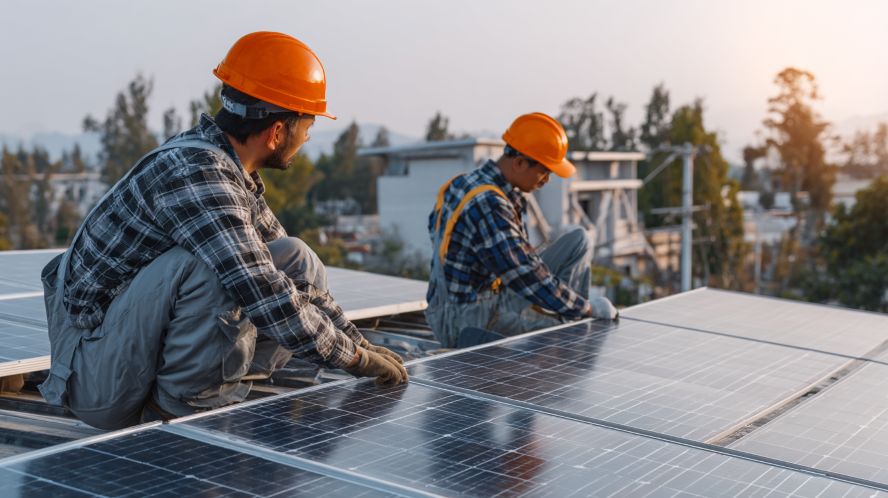
Once installed, solar panels begin generating electricity immediately once they receive permission to operate from the utility. Homeowners typically gain access to an online monitoring platform where they can track daily, monthly, and annual production.
This visibility often changes how people think about energy. Watching real time production can encourage more mindful electricity usage. It also provides reassurance that the system is functioning as designed.
Warranties play an important role in long term peace of mind. Many panels come with performance warranties lasting 25 years or more. Inverters may carry shorter warranties, often between 10 and 15 years, though extended coverage is sometimes available.
Insurance providers should be notified about the addition of solar panels. In most cases, systems are covered under standard homeowner policies with minimal premium adjustments.
The overall experience is generally smooth once the initial learning curve passes. Solar becomes part of daily life without constant attention.
Is Solar Right for Every Home
Solar works best when certain conditions are met. A roof with adequate sunlight exposure, minimal shading, and solid structural integrity is ideal. Electrical systems should be capable of supporting the new power source.
Financial considerations also matter. Incentives and tax credits can significantly improve the return on investment. Homeowners planning to stay in their property long term often see the greatest benefit.
That said, not every house is a perfect candidate. Heavy shade, limited roof space, or aging roofing materials can complicate installation. A professional site assessment provides clarity before commitments are made.
When the Sun Becomes Part of Your Story
Solar panels are more than a row of dark rectangles on a roof. They represent a shift in how homeowners think about energy, independence, and long term planning. Understanding how the technology works, recognizing the differences between panel types, interpreting efficiency ratings accurately, and separating myth from reality transforms uncertainty into confidence.
The most successful solar projects begin with education. When you know what powers your panels, what influences performance, and what to expect from installation through operation, the decision feels grounded rather than speculative. Instead of reacting to marketing claims or rumors, you evaluate solar as a practical home improvement.
At some point, the question shifts from whether solar is complicated to whether you want your roof to remain a passive surface or become an active source of power. If the sun rises over your home every morning, what could that steady stream of energy mean for your future?