Too Much Kindness Is Thinning Your Bermuda Lawn
The mowing, watering, and feeding habits that feel like good care are the same ones thinning Bermuda turf. Here is the routine that reverses it.

Part one dug into what Bermuda grass actually is, the yards where it thrives, and the belief that quietly ruins lawns before the first blade shows up. This part picks up right after that. The lawn is in. The grass is alive. And now the owner starts helping.
That is where most Bermuda lawns get thin.
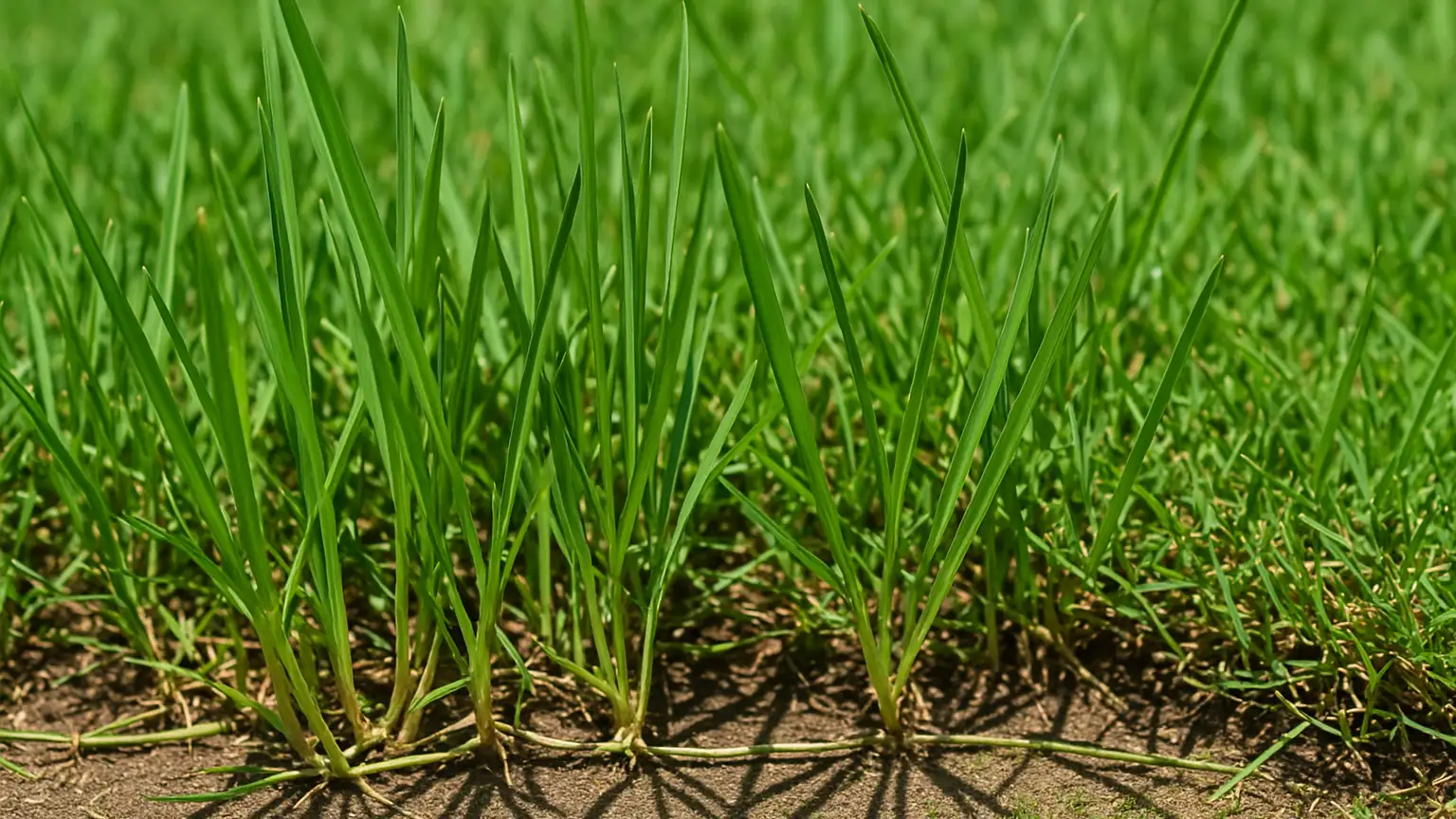
Bermuda is a warm season grass that spreads by runners above the soil and rhizomes below it. It does not grow up like a fescue lawn. It crawls sideways, grabs ground, and layers on top of itself. Everything it needs to do that comes from two things: strong light hitting the lower stems, and roots that had to work to find water.
It also helps to spend a minute on that made the cut before settling on an approach.
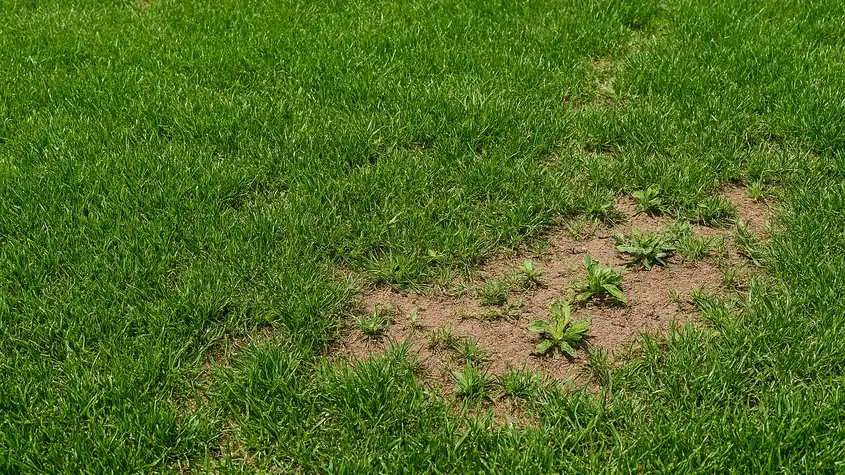
Almost every "extra care" habit removes one of those two things. Taller grass shades its own runners. Daily watering removes the reason for roots to dig. Heavy feeding pushes soft top growth that hides the crown. None of it looks like damage on day one. It looks like a lush lawn. Six weeks later the color fades, the blades feel thin underfoot, and weeds start showing up in the middle of a lawn that gets watered more than any other yard on the street.
Here is the short list of habits that get mistaken for good care:
- Raising the mower deck to protect the grass from heat
- Mowing less often so the lawn is not stressed
- Watering a little every day to keep the soil moist
- Feeding heavily in one shot to get color fast
- Leaving thick clippings and thatch alone as a mulch layer
- Fertilizing late in fall to hold onto green as long as possible
If you read the one bermuda grass myth in the first part of this series, you already know Bermuda is not delicate. It is a full sun bully that gets weak the moment it is treated like a flower bed.
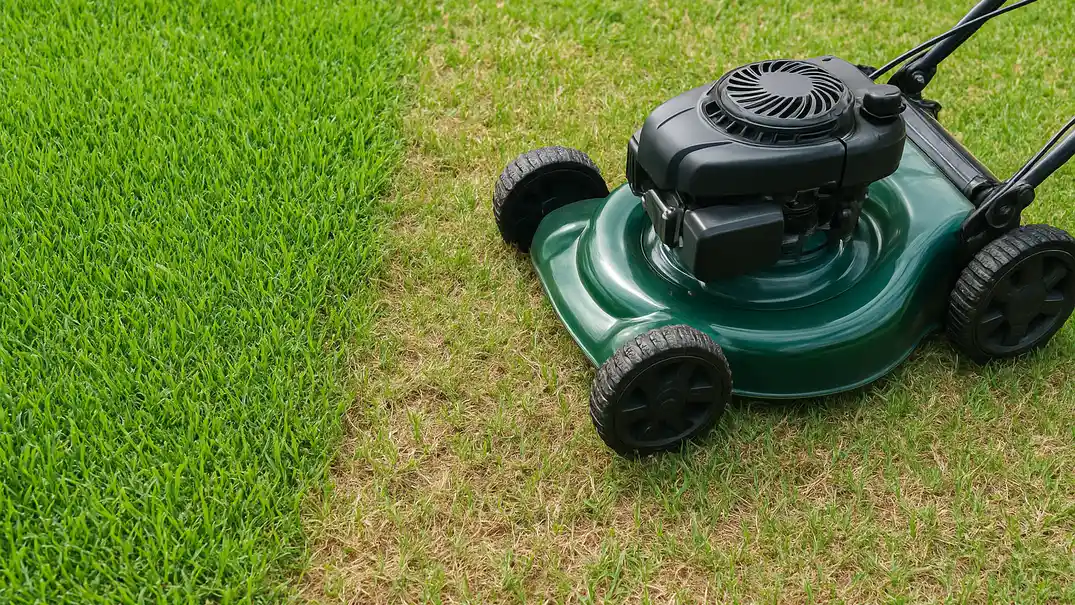
The mower deck is the single biggest lever on a Bermuda lawn, and most people push it the wrong way.
Cool season grass likes to be tall. Bermuda does not. Common Bermuda looks and performs best somewhere around 1 to 2 inches. Hybrid varieties often want to be even lower. When you raise the deck to 3 or 4 inches "to be safe," the top of the canopy shades the bottom. The lower stems stretch, go pale, and stop putting out side shoots. You end up with a lawn that looks tall and full from a standing position and shows dirt when you kneel down.
The Real Reason Scalping Happens
Scalping is usually blamed on cutting too low. Most of the time it is caused by cutting too rarely. Bermuda in peak summer can grow fast enough that a weekly mow removes half the leaf. That is a shock. The mower hits the brown stem layer, the lawn turns tan, and the owner responds by raising the deck even higher next time. The problem gets worse each round.
The rule that fixes it is boring and it works: never remove more than about one third of the blade in a single pass. In June and July that can mean mowing every four to five days instead of every seven. It sounds like more stress. It is actually less, because each cut is small. This is the same logic behind the extra care habits that quietly thin turf, and it shows up over and over in Bermuda care.
Three details that make low mowing safe:
- Sharpen the blade every 20 to 25 hours of mowing. A dull blade tears Bermuda and leaves frayed white tips that look like disease.
- Drop the height gradually in spring, not in one aggressive pass in mid summer.
- Mow in a different direction each week so runners do not all lay the same way.
Bermuda is one of the few lawns where cutting lower and more often genuinely makes it thicker, because light reaching the base is what triggers new lateral growth.
Pro Tip: Run a Two Week Density Test
Pick a 10 foot by 10 foot section of the lawn and change nothing but mowing frequency. Cut that square every four days at your normal height while the rest of the lawn stays on its weekly schedule. Do not add water or fertilizer to it.
After two weeks, kneel down and part the grass in both areas with your hand. The frequently mowed square will show more side shoots and less visible soil. It is the fastest way to prove to yourself that frequency, not fertilizer, drives density, and it is the same principle behind the thinning patch homeowners blame on weather every summer.
The second habit is watering. Specifically, watering a little bit, very often, because it feels attentive.
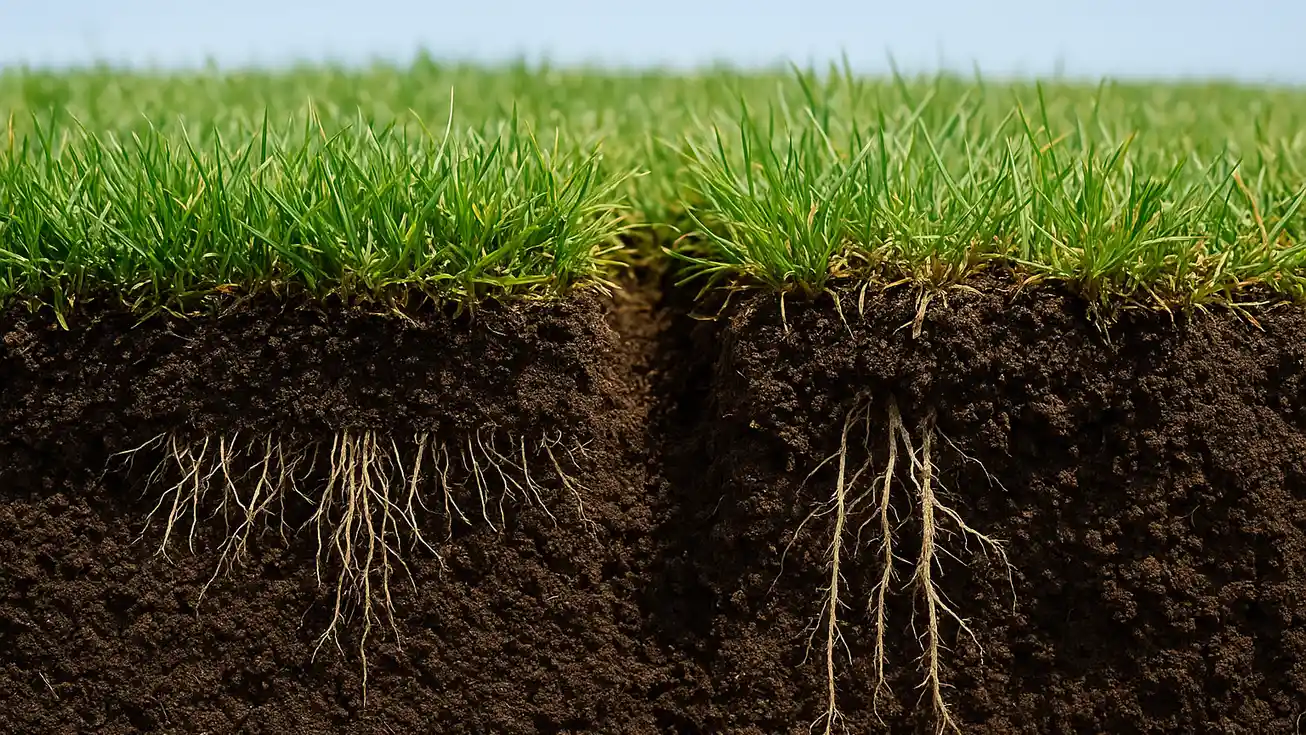
A daily ten minute cycle wets the top inch of soil and nothing below it. Bermuda roots go where the water is, so they stay in that top inch. Then one hot week arrives, the surface dries out by noon, and the lawn browns even though it has been watered every single day. The owner concludes the lawn needs more water. The roots never got the message to go deeper.
Deep and infrequent is the fix. Most Bermuda lawns do best with roughly three quarters of an inch to an inch of water per event, one to three times a week depending on heat and soil. Set out a few tuna cans while the sprinklers run and time how long it takes to fill them. That one measurement tells you more than any watering guide.
"People water Bermuda on a comfort schedule instead of a soil schedule," says Marisol Vega, landscape maintenance lead at Desert Vine Landscaping. "When we stretch a client's cycle out and run it longer, the lawn looks worse for about a week and then it gets noticeably tougher, because the roots finally have a reason to chase moisture."
How to Read a Thirsty Bermuda Lawn
Bermuda tells you when it is dry, and the signals come before real damage does:
- A blue gray cast across the lawn in late afternoon
- Footprints that stay visible after you walk across it
- Blades folding lengthwise to reduce surface area
Water when you see those signs, not on a calendar. Early morning is best, roughly between 4 and 9 a.m., so blades dry fast and disease has no window. And if part of the lawn browns while the rest looks fine, that is almost never a watering problem. It is usually coverage, compaction, or shade, which is the same trap behind the thinning patch homeowners blame on drought.
Pro Tip: Judge a Crew by Their Mowing Questions
If you hire help, listen to what they ask about first. A crew that leads with mowing height, blade sharpness, and visit frequency understands warm season turf. A crew that leads with a fertilizer package is selling color, not density.
Ask two questions before signing anything: what height will you cut at, and how often will you come in July? If the answer is one height, once a week, year round, expect scalping by mid summer. When homeowners compare local companies, the ones that made the cut in regional reviews almost always adjust their schedule to the season instead of running the same route all year.
Feeding Less at a Time and More Often
Fertilizer is where good intentions do the most damage. A heavy nitrogen dump gives you deep green in about ten days, and it feels like proof the product worked. What it actually produced is soft, fast leaf growth with weak roots underneath. That growth is a magnet for fungus, it builds thatch quickly, and it forces you into more mowing to keep up.
A steadier approach works better. Aim for about half a pound to one pound of nitrogen per 1,000 square feet per month, and only during active growth once soil temperatures are consistently warm. Split it into smaller doses instead of one large one. Water it in. Then stop.
That last part matters. Nitrogen applied within about four to six weeks of your first expected frost pushes tender growth right as the lawn should be shutting down. Bermuda goes dormant on purpose. Fighting that with fertilizer is how lawns come out of winter patchy instead of thick.
The Counterintuitive Weekly Routine
- Mow low, mow often. Short cuts every four to five days in peak season.
- Water deep, water rarely. Fewer, longer cycles measured with a can, not a guess.
- Feed light, feed steady. Small monthly amounts during growth, nothing near dormancy.
- Remove buildup. Scalp low in early spring and dethatch when that spongy layer passes half an inch.
- Leave the clippings. Short clippings from frequent mowing break down fast and return nitrogen.
Read that list back and it looks harsh. It is the opposite. Every item asks the grass to do a little work, and Bermuda thickens when it works.
The Lawn Was Never Asking for Pampering
Thin Bermuda turf is rarely a product problem. It is a care philosophy problem. The taller deck, the daily sprinkler run, the big spring feeding, and the late fall green push all come from a genuine desire to help, and all four quietly work against the way this grass builds itself. Light at the base creates runners. Dry spells create roots. Steady, modest feeding creates density. Take those away and you get a lawn that looks cared for from the porch and shows soil from the sidewalk.
Change the habits and the lawn changes faster than most people expect, often inside three to four weeks of consistent mowing and stretched watering. It may look slightly rough during the transition, then it fills in tighter, crowds out weeds on its own, and needs less of your attention overall. Next in this series we take on the patch everyone blames on drought, why that bare or thinning spot keeps coming back in the same place, and how to repair weak areas so the lawn heads into green up and dormancy strong.
Pro Tip: Keep a One Line Lawn Log
Write a single line in your phone notes after each mow and each watering cycle. Date, mowing height, minutes of water, and anything you applied. Nothing else.
Within one season that log answers questions no guide can. You will see exactly how many days passed between cuts when the lawn scalped, how long the sprinklers ran during the week the color faded, and how close to first frost that last bag of fertilizer went down. Most people who fix a thinning Bermuda lawn do not find a new product. They find a pattern in their own schedule, and the log is what makes the pattern impossible to miss.